
What visualisation isn't
What's the difference between BS visualisation and the stuff that works?

The other day, I had a chat with an athlete who had decided that the way they were going to improve as a player was by getting into visualisation. “I’m just gonna imagine myself doing well”, they said, “I’m gonna just picture myself scoring a hundred and how good it’s going to feel, and I think that will help.” The ensuing conversation was revealing, and the player’s perception of imagery and visualisation could be representative of the perceptions of a lot of young athletes. And it’s worth talking about.
Visualisation and imagery can be really helpful tools in a player’s toolbox. Often, however, I think these skills get mistaken for ‘manifesting’, the idea that if you’ve pictured a successful outcome and wished for it, it’ll come true. Manifesting is often peddled as some secret to success by self-affirmed self-help gurus. And research has shown that ‘manifesters’ don’t achieve any more success than others. In fact, manifesting has been linked to such negative outcomes as an increased chance of making risky financial decisions, and an increased chance of bankruptcy. Manifesters tend to think they’re more successful, they tend to predict they will be more successful, they tend to annoy people with overconfidence (this is the only claim in this list not backed up by research but by my own anecdotal data), and the research shows it doesn’t work.
The obvious question, then, is why the research shows visualisation and imagery work well, but manifesting doesn’t; what does imagery give athletes that manifesting doesn’t?
Firstly, I’m going to make a distinction, because visualisation is a broad term. I’m going to separate ‘BS visualisation’ (i.e. manifesting) from useful visualisation, which I’ll call imagery.
A big part of an athlete’s mental skillset revolves around their ability to stay in the present moment. Focussing on outcomes, even if it’s the outcomes we want, can distract us from the process which is most likely to get us there. Forget the outcome and the outcome we want becomes more likely.
BS visualisation always struck me as too outcome-focussed. Imagine yourself with the trophy. Imagine yourself receiving the applause of the crowd. Imagine yourself celebrating as you wheel away from scoring the winning goal. The result of imagining this stuff? Perhaps it can help our confidence a bit if we picture ourselves achieving something that we might not otherwise think is possible. But mostly it just puts pressure on an outcome, and distracts us from our process.
Imagery, on the other hand, is visualisation used in more specific and more appropriate ways. Psychologists might separate imagery into different types. Cognitive imagery, for example, is used for rehearsing skills. Perhaps that’s making sure that when you’re at the free throw line, you’re going to rely on the right cues to nail the shot. Or perhaps that’s going through tactical shifts the team might need to make on the day so you feel prepared. Motivational imagery is related to how we aim to act in response to pressure or a challenge. Perhaps that’s imagining the crowd noise, the opposition in your face, the tunnel vision that comes with the big moment - and then rehearsing the process cues that you can rely on to get you through that, being able to relax and breathe and play your game.
I think imagery can be useful when we use it right. Here are some ideas:
Approaching training with a purpose. It’s easy to train mindlessly, or to go through the motions - trying to imagine ourselves in the context of a game, and all the pressures that come with it, can help us train more effectively. We can slow down, be intentional about what we’re trying to do, and be careful that we’re creating something we can replicate in a game. By doing this, we’re more likely to make any technical training more transferrable to a match.
Identify the cues we want to return to under pressure. Don’t just manifest the positive outcome - visualise yourself in the heat of battle, feel the tension, feel the distractions, picture the type of clutter your mind is going to have to deal with under pressure. Then relax, breathe, and work out how you’re going to recognise that clutter and return to the process.
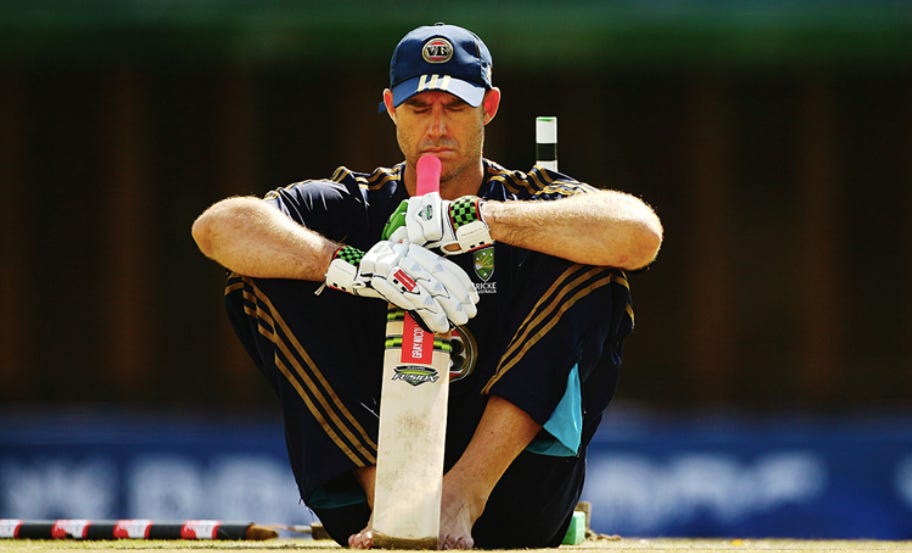
There’s some cool science behind what works in imagery - and the closer we can get it to feel like a match, the more effective it can be. We can get into an appropriate physical space, a more realistic environment, we can picture events in real time, we can try and get ourselves feeling the pressure or emotionally aroused. Imagery is great as a rehearsal for what’s to come. Just don’t fall into the trap of manifesting and expecting things to turn out your way…